
The Fastest Way to Start Strength Training (Without Wasting Time or Getting Hurt)
Beginner strength exercises are the foundation of any sustainable fitness routine. Here are the best ones to start with:
- Squat – builds leg and glute strength for everyday movement
- Push-up – trains chest, shoulders, and triceps using your own bodyweight
- Glute bridge – strengthens hips, glutes, and lower back
- Bent-over row – builds upper back and counteracts poor posture
- Deadbug – develops core stability safely
- Plank – builds full-body tension and core endurance
- Reverse lunge – trains single-leg strength and balance
Start with: 2-3 sessions per week, 1-3 sets of 8-12 reps per exercise, with at least one rest day between sessions.
You’ve probably tried to “get consistent” before. Maybe you started strong, then life got busy, motivation dropped, and you were back to square one.
Here’s the thing: that cycle isn’t a willpower problem. It’s a plan problem.
Strength training doesn’t have to be complicated or time-consuming. Research shows that training just twice a week is enough to significantly increase muscle mass. And after age 30, adults lose roughly 3-5% of their muscle mass per decade — so starting now matters more than starting perfectly.
This guide cuts through the noise. No gym required to begin. No prior experience needed. Just a clear, honest path from “I don’t know where to start” to “I’m actually making progress.”
Why beginner strength exercises are Your Secret Weapon
In April 2026, we are more aware than ever that strength isn’t just about looking a certain way; it’s about functional health. When we talk about beginner strength exercises, we are talking about the ultimate insurance policy for your body.
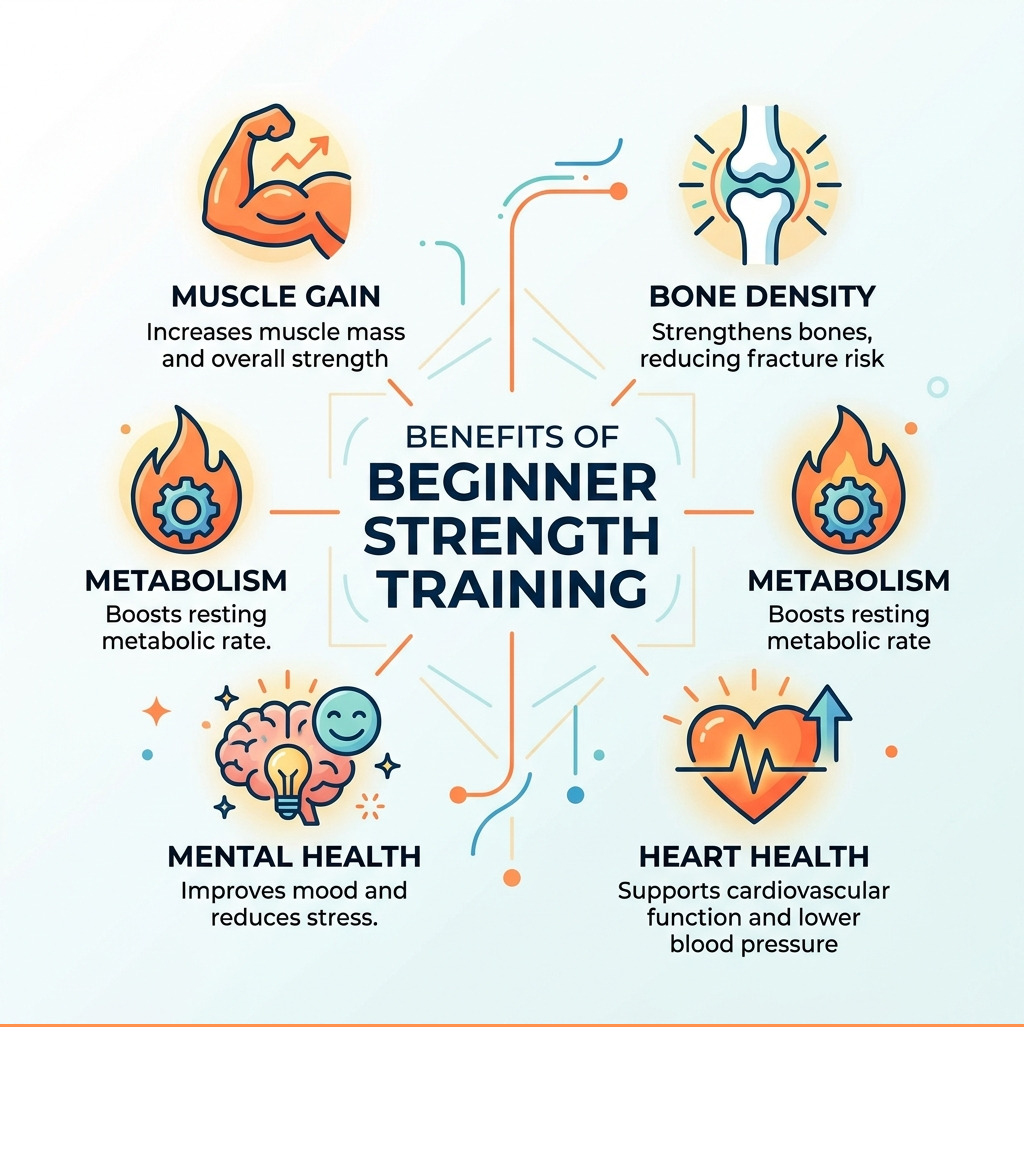
As we age, we face a natural decline in muscle known as sarcopenia. Between age 30 and 70, you could lose a significant portion of your muscle mass if you aren’t actively using it. Strength training fights this head-on. It’s not just for athletes; an industry report recently noted that women’s use of free weights increased by 150% over the last decade. People are realizing that lifting things makes life easier.
Beyond muscle, there is the “bone factor.” Any weight-bearing exercise improves bone mineral density, which is critical for reducing the risk of osteoporosis. Then there’s the metabolic boost: muscle tissue burns more calories at rest than fat tissue. Every pound of muscle you gain helps your metabolism stay fire-hot.
We also know that Why Balance is a Strength Game—stronger legs and a stable core mean you are less likely to fall as you get older. Furthermore, strength training twice per week increases muscle mass and has been linked to better heart health, improved diabetes control, and a massive boost in mental well-being. It’s hard to feel down when you’ve just mastered a new movement and feel physically capable.
Equipment and Safety: Preparing for Your First Session

One of the biggest myths about starting is that you need a garage full of expensive plates and barbells. You don’t. You can start exactly where you are.
What You Need
- Bodyweight: Your own body is the most versatile piece of equipment you own. Many beginner strength exercises use gravity as the primary resistance.
- Resistance Bands: These are affordable, portable, and great for adding “tension” to movements without the risk of dropping a heavy weight on your toe.
- Dumbbells: If you want to invest, a light pair of dumbbells (even 5-10 lbs) can significantly expand your options.
- Stable Chair: For those just starting or with limited mobility, a solid, stable chair (no wheels!) is perfect for seated rows or assisted squats.
- Hydration and Footwear: Keep water handy and wear supportive shoes that provide a stable base.
Safety First
Before you start swinging weights around, we recommend a basic health screening. If you have chronic conditions or haven’t moved much lately, a quick chat with a doctor is a smart move. At Primedy Health, we emphasize Foundations because the way you move matters more than how much you lift.
If you feel unsure, seeking Professional Guidance and Coaching can fast-track your results and keep you from making the “newbie mistakes” that lead to injury. Always start with a 5-8 minute warm-up (marching in place, arm circles, or a light walk) to get the blood flowing.
The Essential List of Foundational Movements
To get the most out of your time, we focus on “compound movements.” These are exercises that use more than one joint and multiple muscle groups at once. They give you the biggest bang for your buck.
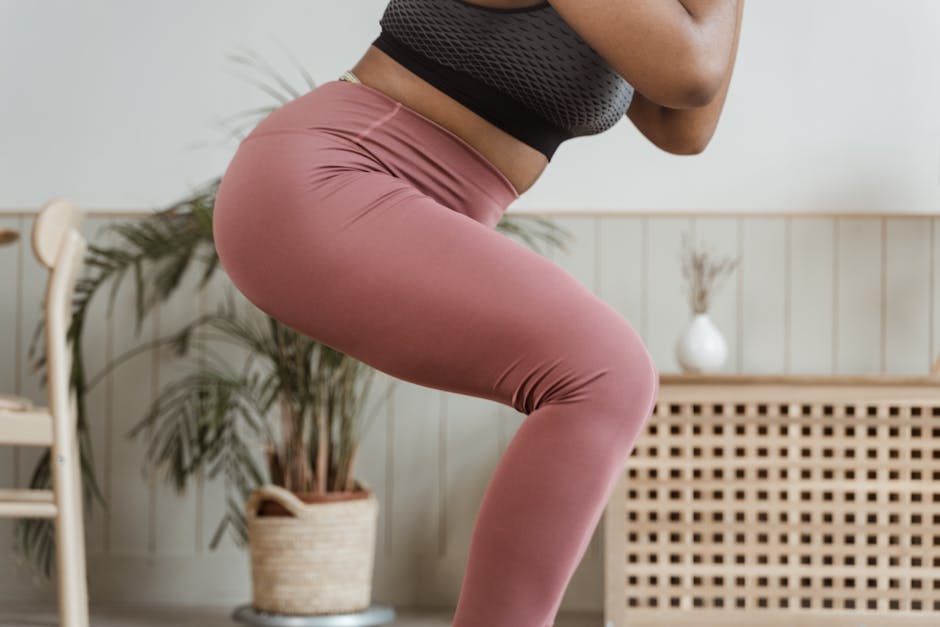
- The Squat: This is the king of lower-body moves. It mimics sitting down and standing up. It targets your quads, hamstrings, and Glutes. If your Knees feel sensitive, start with a “sit-to-stand” using a chair.
- The Push-Up: Whether you do these against a wall, on your knees, or on your toes, you are training your chest, Shoulders, and triceps.
- The Glute Bridge: Laying on your back and lifting your hips is one of the best ways to wake up your posterior chain.
- The Bent-Over Row: Pulling movements are the antidote to “tech neck.” They strengthen the upper back and improve posture.
- The Deadbug: This is the safest way to build core stability. It teaches you how to keep your back flat while moving your limbs.
- The Plank: This builds “full-body tension.” It’s not just about the abs; it’s about your legs, glutes, and shoulders working together.
| Exercise | Bodyweight Version | Weighted Variation |
|---|---|---|
| Squat | Air Squat | Goblet Squat (hold weight at chest) |
| Push-up | Wall Push-up | Floor Push-up |
| Row | Towel Row | Dumbbell One-Arm Row |
| Bridge | Floor Bridge | Weighted Hip Thrust |
| Lunge | Static Lunge | Reverse Lunge with Dumbbells |
How to Master Form for beginner strength exercises
The secret to lifting heavy things without breaking yourself is form. Here are our golden rules:
- Neutral Spine: Don’t arch your back like a cat or round it like a turtle. Keep a straight line from your head to your tailbone.
- Core Bracing: Imagine someone is about to poke you in the stomach. That tightness you feel? Keep that during your lifts.
- Controlled Tempo: Don’t use momentum. Count “two seconds up, two seconds down.”
- Breathing: Never hold your breath. Exhale on the hardest part of the move (the “effort”).
- Mirror Feedback: If you’re working out at home in Mount Airy or Frederick, use a mirror to check your alignment. Are your knees caving in during a squat? Is your back rounding during a row?
How to Structure Your Routine and Progress Safely
We see it all the time: people do the same 10-lb workout for three years and wonder why they aren’t getting stronger. To see changes, you need progressive overload. This just means making the workout slightly harder over time.
The Beginner Blueprint
- Frequency: Aim for 2-3 days per week. Your muscles need a 48-hour recovery period between sessions to actually grow and repair.
- Sets and Reps: For beginners, 1-3 sets of 8-12 repetitions is the “sweet spot.” If you can easily do 15 reps with perfect form, it’s time to add a little weight or resistance.
- Rest Periods: Take 60-120 seconds between sets. This gives your nervous system time to recover so your next set is just as high-quality as the first.
- Linear Progression: This is a “newbie superpower.” In the first few months, you can often add a tiny bit of weight or one extra rep every single week. Enjoy these “newbie gains” while they last!
If you don’t want to think about the math, using Pre-designed Programs can take the guesswork out of your week.
Avoiding Pitfalls and Optimizing Recovery
The biggest obstacle to success isn’t the workout; it’s what happens between workouts.
The Recovery Equation
- Protein Intake: Your muscles are made of protein. Aim for a protein source at every meal to help with repair.
- Sleep: This is when the magic happens. Aim for 7-9 hours. If you aren’t sleeping, you aren’t recovering.
- DOMS (Delayed Onset Muscle Soreness): It is normal to feel a bit stiff 24-48 hours after a new routine. This isn’t an injury; it’s your body adapting. Gentle movement like walking helps.
- Active Recovery: On your off days, stay active. A walk through a park in Carroll County or some light stretching keeps the blood flowing.
We also believe in Health Coaching to help you manage the “life” side of fitness—stress, nutrition, and habit-building. Remember: Your Muscles Called and They Want These Customized Strength Training Plans.
Common Mistakes with beginner strength exercises
- Ego Lifting: Trying to lift more than you can handle with good form. This is the fastest way to “break yourself.”
- Program Hopping: Changing your routine every week because you saw a new video on social media. Stick to one plan for at least 8 weeks.
- Holding Breath: This can spike your blood pressure. Keep the air moving!
- Skipping Legs: Your legs contain your largest muscle groups. Training them boosts your overall metabolic health.
Frequently Asked Questions about beginner strength exercises
How often should a beginner do strength training each week?
For most adults in Maryland, 2 to 3 non-consecutive days per week is ideal. This allows for the necessary 48 hours of rest between sessions for muscle groups to recover. Consistency over several months is more important than intensity in a single week.
What equipment do I need to start strength training at home?
You can start with absolutely nothing but your own bodyweight! As you progress, household items like water bottles or heavy books can serve as weights. Eventually, investing in a set of resistance bands or a pair of dumbbells will help you continue to progress.
Is strength training safe for older adults or during pregnancy?
Yes, and it is highly recommended! For older adults, strength training preserves independence and bone density. For pregnant individuals, it can help manage back pain and prepare the body for labor. However, in both cases, we strongly suggest consulting with a healthcare provider and working with a coach to tailor the movements to your specific needs.
Conclusion
Starting a journey with beginner strength exercises is one of the best gifts you can give your future self. At Primedy Health, we don’t believe in “quick fixes” or “extreme transformations.” We believe in structured, sustainable programs that fit into real lives—whether you’re in Mount Airy, Frederick, or anywhere else in Maryland.
Strength is a skill. Like any skill, it takes practice, patience, and a solid plan. By focusing on foundational movements, prioritizing form, and allowing for recovery, you’ll find that you aren’t just “lifting heavy things”—you’re building a body that is more capable, more resilient, and more confident.
Ready to stop guessing and start growing? Whether you prefer Personal Training for one-on-one attention or the energy of Group Training, we are here to help.
Start your journey today and let’s build some strength together.