
What Progress Tracking Health Plans Actually Do (And Why It Matters)
Progress tracking health plans are structured systems that record, monitor, and analyze your health data over time — so you and your care team always know what’s working, what isn’t, and what to change next.
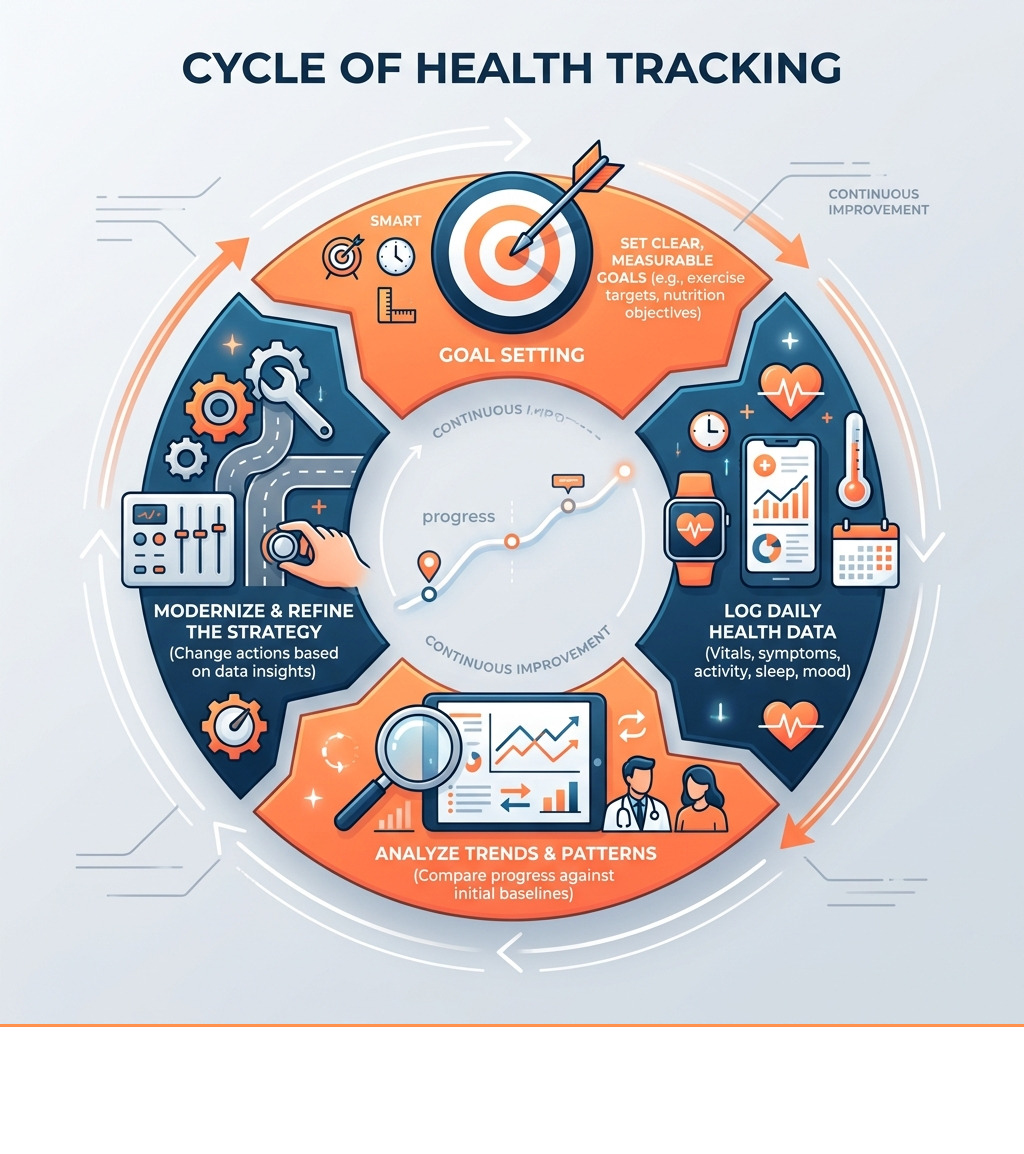
Here’s a quick overview of what effective progress tracking involves:
| Element | What It Means |
|---|---|
| Goal Setting | Clear, measurable targets (SMART goals) tied to your health plan |
| Data Collection | Logging vitals, symptoms, activity, sleep, nutrition, and mood |
| Review Cycles | Regular check-ins to compare progress against baselines |
| Plan Adjustments | Changing strategies based on what the data shows |
| Tools Used | Apps, wearables, journals, clinical assessments, or a mix |
Whether you’re managing a chronic condition, recovering from a health event, or simply trying to build better habits — tracking your progress is what turns a health plan from a good intention into a real result.
The evidence backs this up. A survey of over 3,000 U.S. adults found that 64% perform some form of health-related self-tracking, and those who track routinely are significantly more likely to change their overall approach to maintaining their health. Yet roughly half of self-trackers only log data when something goes wrong — not as a regular habit.
That gap — between occasional and routine tracking — is where most health plans quietly fail.
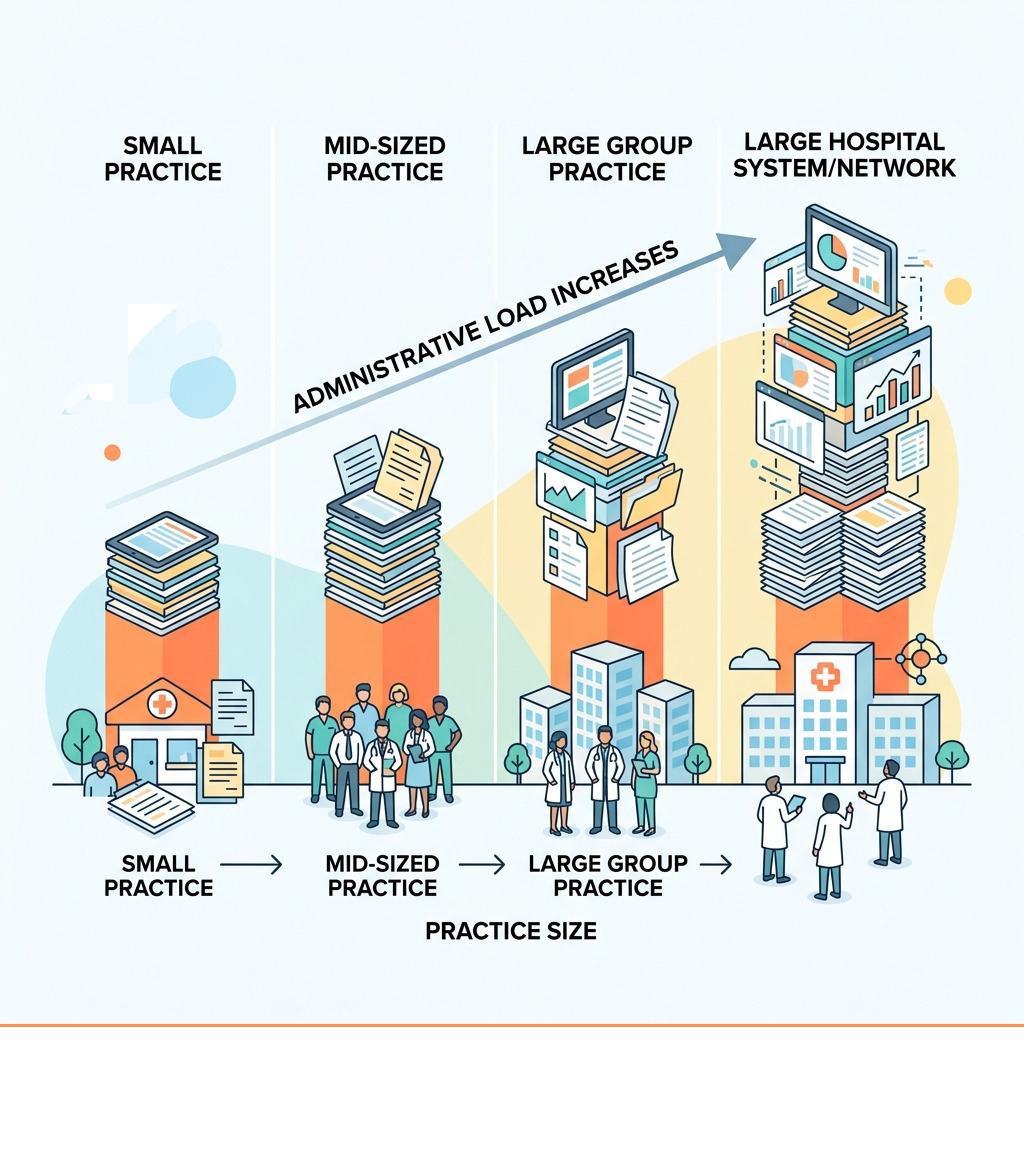
And it’s not just a patient problem. On the clinical side, a survey of 446 clinicians found that 36.1% identified tracking patient progress and outcomes as their single biggest administrative burden — outranking insurance work. In mid-sized practices, that number jumped to nearly half of all clinicians.
The bottom line: most people understand why tracking matters. The harder part is building a system that makes it consistent, actionable, and sustainable — for both patients and providers.
This guide breaks that down step by step.
The Importance of Progress Tracking Health Plans in Modern Care

In the modern healthcare landscape, especially within our communities in Mount Airy and Frederick, the shift toward value-based care has made progress tracking health plans more than just a “nice to have” feature. It is the backbone of successful recovery and long-term wellness. When we track, we move away from guesswork and toward precision.
Effective tracking fosters a sense of self-efficacy—the belief that you have the power to influence your own health outcomes. By seeing a graph of your improving strength or a log of your stabilizing blood sugar, you aren’t just following a doctor’s orders; you are witnessing your own transformation. This visual proof is a powerful driver of behavior change.
For those navigating a recovery journey, data acts as a compass. Best practices for tracking recovery progress emphasize that combining personal feedback with clinical assessments provides the most comprehensive view of a patient’s status. At Primedy Health, we believe that health coaching plays a vital role here, acting as the bridge between raw data and real-life application.
Enhancing Patient Self-Efficacy Through Routine Monitoring
There is a significant difference between “event-triggered” tracking (checking your temperature only when you feel feverish) and routine tracking (logging data at regular intervals). Research shows that routine trackers are 1.38 times more likely to change their overall approach to health management.
Routine monitoring turns a passive patient into an active self-manager. It improves patient-provider communication because you arrive at appointments with a clear history of your symptoms and successes. In Maryland, tools like the SHIP dashboard help track population health, but on an individual level, your personal routine log is what dictates your daily quality of life. Interestingly, routine trackers often find they have fewer “basic” questions for their doctors because they become experts on their own bodies, allowing clinic time to be used for deeper, more strategic health conversations.
The Role of Progress Tracking Health Plans in Chronic Disease Management
For chronic conditions like diabetes, hypertension, asthma, and heart failure, tracking is a literal lifesaver.
- Diabetes: Monitoring blood sugar alongside food intake helps identify which meals cause spikes.
- Hypertension: Tracking blood pressure at different times of the day can reveal how stress or medication affects your heart health.
- Asthma: Logging triggers and peak flow readings helps prevent emergency room visits.
If you feel like your current health management has stalled, our Health Reset program is designed to help you establish these vital baselines and get back on a path of measurable improvement.
Key Metrics and SMART Goals for Effective Monitoring

You can’t track everything, or you’ll spend your whole day looking at a screen or a notebook. The key to successful progress tracking health plans is choosing the right metrics. These metrics should span physical health, mental wellness, social progress, and life skills to ensure a holistic recovery.
Setting SMART Goals for Progress Tracking Health Plans
Vague goals like “I want to get healthy” are the enemies of progress. Instead, we use the SMART framework:
- Specific: “I will walk for 30 minutes” instead of “I’ll exercise more.”
- Measurable: “I will do this 3 times per week.”
- Achievable: Don’t aim for a marathon if you haven’t walked a mile yet.
- Relevant: Ensure the goal actually helps your specific recovery or health plan.
- Time-bound: “I will achieve this by the end of the month.”
For those who need a structured approach but can’t always make it to our Mount Airy facility, our customized virtual programming provides the digital infrastructure to set and track these goals effectively.
Essential Health Indicators and Wellness Benchmarks
Beyond the scale, there are several essential indicators to monitor:
- Vital Signs: Blood pressure, heart rate, and respiratory rate.
- Sleep Patterns: Quality and duration of rest are often the first things to suffer when a health plan is off track.
- Nutritional Intake: Tracking hydration and macros to ensure your body has the fuel it needs.
- Body Composition: Focusing on muscle mass and fat percentage rather than just total weight.
The American Academy of Ophthalmology and other medical bodies suggest using specific tools to track your wellness goals to maintain motivation and ensure you are meeting clinical benchmarks.
Tools and Technologies for Tracking Health Progress
The “how” of tracking is just as important as the “what.” In 2026, we have an incredible array of tools at our disposal, ranging from high-tech wearables to the classic pen-and-paper journal.
Digital vs. Manual Progress Tracking Health Plans
Digital tools, such as mobile apps and electronic health records, offer real-time feedback and data consistency. They can automatically generate charts and alerts if something looks wrong. However, manual methods like bullet journaling remain popular for their customization and the “mindfulness” aspect of physically writing down your progress.
At Primedy Health, we often combine these. During personal training sessions, we might use digital sensors to track power output while encouraging clients to keep a narrative journal of how they feel. Research indicates that using electronic tools (apps, websites, medical devices) significantly increases the likelihood of routine tracking compared to relying on memory alone.
Integrating Wearables and AI into Health Plans
Wearables like the Apple Watch, Fitbit, and WHOOP have revolutionized how we monitor our bodies. These devices provide a constant stream of data on heart rate variability (HRV), sleep stages, and activity levels.
- AI-Driven Analytics: Modern platforms can now analyze your wearable data to predict when you are overtraining or when you might be getting sick.
- Biomarker Tracking: Integrating blood work results with daily activity logs provides a 360-degree view of your internal health.
This high-level data is a staple of our health club training, where we help you interpret what those numbers actually mean for your daily routine.
Overcoming Administrative Burdens in Value-Based Care
While tracking is great for patients, it has historically been a headache for clinicians. As healthcare shifts toward paying for outcomes rather than just services, the need for documentation has exploded.
Reducing Clinician Load to Enhance Patient Care
When clinicians spend 40% of their time on paperwork, they have less time for “therapeutic presence”—the actual face-to-face care that helps patients heal. To combat burnout and improve staff retention, many practices in Frederick and Carroll County are turning to automated reporting and AI documentation tools.
Reducing the burden of “between-session tasks” (like checking if a patient did their physical therapy homework) allows us to focus on the person, not just the data points. If you are a healthcare professional looking to streamline your approach, a consultation with our team can help you integrate more efficient tracking methods.
Standardized Outcome Measures and Data Analysis
To make data useful, it must be standardized. Using the same metrics across different patients allows providers to see what treatment strategies are working best. This data informs personalized care adjustments, ensuring that if a patient isn’t responding to Plan A, the data triggers a shift to Plan B before time is wasted. Residents in our area can also find helpful community-wide health resources through the Maryland Health Connection.
Frequently Asked Questions about Progress Tracking
What is the most effective way to track health progress?
The most effective way is the one you will actually stick to. For most, this is a “hybrid” approach: using a wearable for passive data (sleep, steps) and a digital app or journal for active data (mood, food, pain levels). The key is consistency over perfection.
How does routine tracking improve health outcomes?
Routine tracking provides a “baseline.” Without a baseline, you can’t tell if a change is a random fluke or a meaningful trend. It allows for early intervention, increases your own commitment to the plan, and provides your coach or doctor with the evidence they need to optimize your treatment.
What are the biggest challenges for clinicians in progress tracking?
According to recent surveys, the top challenges are standardized outcome measures and tracking “homework” or tasks that happen between sessions. Practice size matters too—larger practices often report that progress tracking is their #1 administrative hurdle due to the sheer volume of data.
Conclusion
Progress tracking isn’t about obsessing over numbers; it’s about gaining the freedom that comes with health. By using progress tracking health plans, residents in Mount Airy, Frederick, and Carroll County can take ownership of their wellness journeys with confidence.
At Primedy Health, we don’t believe in “one size fits all” fitness. We believe in structured, sustainable programs backed by objective data. Whether you are working with us in person or through our virtual platforms, we are here to help you turn your data into a success story.
Ready to see the difference that objective tracking makes? Start your journey with customized virtual programming today and let’s build a health plan that actually moves the needle.