
How Do the Goals and Motivations of Female Clients Differ from General Clients?
To coach women effectively, we must first understand that their entry point into fitness is often paved with entirely different psychological and emotional considerations than those of a general, male-dominated, or athletic-focused client base. One of the most glaring discrepancies lies in the initial barriers to entry.
According to industry data, women are 35% more likely than men to cite a lack of confidence or gym intimidation as a primary barrier to joining a gym or hiring a personal trainer. Walking into a crowded free-weight section can feel like entering a hostile environment. As coaches, we cannot ignore this psychological hurdle; we must actively design our spaces and onboarding processes to dismantle it.
Furthermore, what drives a woman to invest in coaching often differs from the motivations of a general client base. While general personal training programs frequently focus on hyper-specific aesthetic changes, maximum strength metrics, or competitive athletic performance, female clients tend to prioritize:
- Long-term health and longevity: Preserving vitality to keep up with children, grandchildren, and career demands.
- Functional strength: Building a body that moves without pain, recovers quickly, and handles daily life with ease.
- Safety and injury prevention: Research indicates that 92% of women rate safety as an essential factor in their training, compared to just 78% of men.
This does not mean women do not want to work hard or lift heavy. On the contrary, both men and women highly value technical coaching, effort coaching, and structured programming. To explore these differing motivators further, you can read more about What Motivates Men vs. Women to Invest in Personal Training .
Shifting the Focus from Appearance to Performance
In our coaching practice, we have found that the most sustainable physical transformations occur when we shift a client’s focus away from scale weight and toward performance-based milestones. Scale weight is incredibly volatile—it fluctuates daily based on hydration, stress, sleep, and hormonal cycles. Relying on it as the sole metric of success is a recipe for frustration and yo-yo dieting.
Instead, we encourage female clients to chase performance goals, such as:
- Performing their first unassisted pull-up.
- Deadlifting their own body weight.
- Completing a structured strength cycle without missing a session.
When a woman realizes what her body is capable of doing, her perception of what her body looks like changes naturally. Performance-based goals build self-efficacy—the internal belief that you can overcome challenges and master new skills. This mental shift is the ultimate driver of long-term adherence.
Overcoming Gym Intimidation and Building Confidence
Building confidence in female clients requires a deliberate, step-by-step approach. We cannot simply hand a client a clipboard and point her toward a busy barbell rack. Coaches should utilize these actionable strategies to create a welcoming environment:
- Supportive, Jargon-Free Communication: Meet clients where they are. Explain the why behind every movement without using overly academic or hyper-masculine fitness jargon.
- Private or Semi-Private Spaces: Offering semi-private training sessions allows clients to build competence and confidence in a controlled, supportive setting before transitioning to a more open gym environment.
- Celebrating Non-Scale Victories: Make it a habit to highlight improvements in posture, energy levels, sleep quality, and movement mechanics during weekly check-ins.
How Should Training Programs Be Adapted for Female Physiology and Hormones?
While the foundational laws of progressive overload and exercise science apply to all human bodies, women possess unique anatomical, physiological, and hormonal profiles that require intelligent programming adaptations.
| Physiological Factor | Female-Specific Coaching Focus | General Personal Training Focus |
|---|---|---|
| Q-Angle & Pelvic Width | Targeted hip and knee stability work to prevent knee valgus (caving in). | Standard bilateral squatting and lunging patterns. |
| Joint Laxity | Emphasis on active joint stability, motor control, and end-range strength. | General flexibility, passive stretching, and mobility drills. |
| Bone Density Decline | Progressive resistance training to combat the 3-8% muscle loss per decade after age 30. | General cardiovascular conditioning and light resistance work. |
| Hormonal Profile | Adaptive programming that respects the menstrual cycle, prenatal, postpartum, and menopause. | Static, linear progression models with no cycle variations. |
Anatomically, women generally have a wider pelvis, which results in a larger Q-angle (the angle at which the femur meets the tibia). A larger Q-angle alters knee mechanics, making women more susceptible to knee valgus—where the knees cave inward during squats, lunges, or jumps. To prevent chronic joint pain and ACL injuries, we must program targeted stability work for the gluteus medius, hamstrings, and vastus medialis oblique (VMO).
Additionally, women naturally experience greater joint laxity and hypermobility, often driven by fluctuations in estrogen. While this can make women highly mobile, it also means they require training that emphasizes joint stability and motor control over passive stretching.
Finally, we must address bone density. Women lose approximately 3-8% of their muscle mass per decade after age 30, which directly accelerates bone mineral density loss. The antidote is heavy, structured resistance training. Research shows that just 30 minutes of high-intensity resistance training twice a week can significantly preserve and even boost bone density in postmenopausal women, drastically reducing the risk of osteoporosis.
Navigating the Menstrual Cycle and Cycle Syncing
One of the most significant differences between coaching women and general personal training is how we handle hormonal fluctuations. A woman’s monthly cycle is divided into distinct phases, each characterized by shifting levels of estrogen and progesterone:
- The Follicular Phase (Low Progesterone, Rising Estrogen): This is when a woman’s body is primed for high performance. Energy levels are typically high, pain tolerance is elevated, and the body is highly efficient at utilizing carbohydrates for fuel. This is the ideal time to focus on progressive overload, heavy lifting, and high-intensity training.
- The Ovulatory Phase (Peak Estrogen): Strength levels peak here, but some research suggests that high estrogen levels can temporarily increase ligament laxity, meaning coaches should emphasize warm-ups and impeccable lifting form.
- The Luteal Phase (High Progesterone, Rising Core Temperature): As progesterone dominates, the body shifts toward utilizing fats for fuel, and cardiovascular strain can feel higher. PMS symptoms, water retention, and fatigue may set in. During the late luteal phase, it is often wise to deload, focus on active recovery, or shift toward lower-intensity, steady-state work.
By understanding these phases, we can implement cycle syncing—adjusting training intensity and volume to match a woman’s hormonal blueprint. To learn how we build these customized plans, explore how we Empower Your Body with Specialized Womens Coaching.
Training Through Life Stages: Prenatal, Postpartum, and Menopause
A woman’s body undergoes profound transformations across her lifespan, and a general personal training approach is wholly inadequate for navigating these transitions safely:
- Prenatal Training: The goal of prenatal training is not to set personal records, but to prepare the body for the physical demands of labor and motherhood. We focus on pelvic floor health, deep core stability (diaphragmatic breathing), and modifying exercises to avoid abdominal strain, lying flat on the back (after the first trimester), or compromising balance.
- Postpartum Recovery: Postpartum training requires a slow, rehabilitative approach. We must assess for and address diastasis recti (abdominal separation) and pelvic floor dysfunction before reintroducing heavy lifting or high-impact movements. Progressive overload must be applied conservatively as the body continues to recover from the hormonal and physical changes of pregnancy.
- Perimenopause and Menopause: As estrogen levels decline, women face an increased risk of muscle loss (sarcopenia), metabolic slowdown, and bone density loss. During this stage, we prioritize heavy compound lifting to stimulate muscle protein synthesis and bone remodeling, combined with adequate protein intake and stress management.
What Is the Difference Between a Personal Trainer and a Fitness Coach for Women?
To understand how to get the best results for female clients, we must clarify a common point of confusion in the fitness industry: the difference between a traditional personal trainer and a holistic fitness coach.
A traditional personal trainer is primarily focused on the physical mechanics of the workout itself. They write the exercise program, correct your form during a 45-to-60-minute session, and ensure you work hard while in the gym. While this is incredibly valuable, it represents only a tiny fraction of a client’s week.
A fitness coach, on the other hand, takes a holistic, 360-degree approach to a client’s life. A coach understands that what happens during the other 23 hours of the day—sleep quality, daily stress, nutritional choices, hydration, and emotional well-being—directly dictates whether the client will actually achieve their goals.
For a deeper dive into these professional distinctions, you can read Personal Trainer Vs. Fitness Coach: What’s The Difference? and join the community discussion on Personal Training and Coaching! Whats the difference? – Facebook .
The Limitations of the Traditional Gym Trainer Model
The traditional, session-by-session gym trainer model has a major flaw: it ends when the session ends.
Imagine a female client who trains consistently three times a week. She works hard during her sessions, but she is chronically stressed at work, sleeps only five hours a night, and struggles with emotional eating or extreme calorie restriction over the weekend. Because her trainer only focuses on her workouts, her progress stalls.
This lack of external, lifestyle-focused support is the primary reason many women experience frustrating weight loss plateaus and physical burnout. Workouts alone cannot out-train a chaotic lifestyle, high cortisol, and poor recovery. To break this cycle, clients need a sustainable strategy, which we discuss in our guide on Sustainable Fitness Coaching Online Stop the Yo-Yo and Start the Go-Go.
The Power of Online and Hybrid Fitness Coaching
This is where online and hybrid coaching models shine. By combining in-person training with digital touchpoints, we can provide continuous support, daily habit tracking, and real-time accountability.
With a hybrid model, a coach can monitor a client’s daily sleep, stress levels, and nutritional intake via a dedicated app. If a client logs that she only slept four hours and has a massive headache, her coach can proactively adjust her workout for that day—shifting from a high-intensity strength session to an active recovery and mobility routine. This level of adaptability ensures that training remains a source of stress relief, rather than an additional physical stressor.
To understand why this objective, continuous tracking is so powerful, see Why Your Next Coach Should Be Online and Objective and check out The Complete Guide to Finding Online Personal Trainers.
How Can Coaches Balance Physical Training with Holistic Wellness and Progress Tracking?
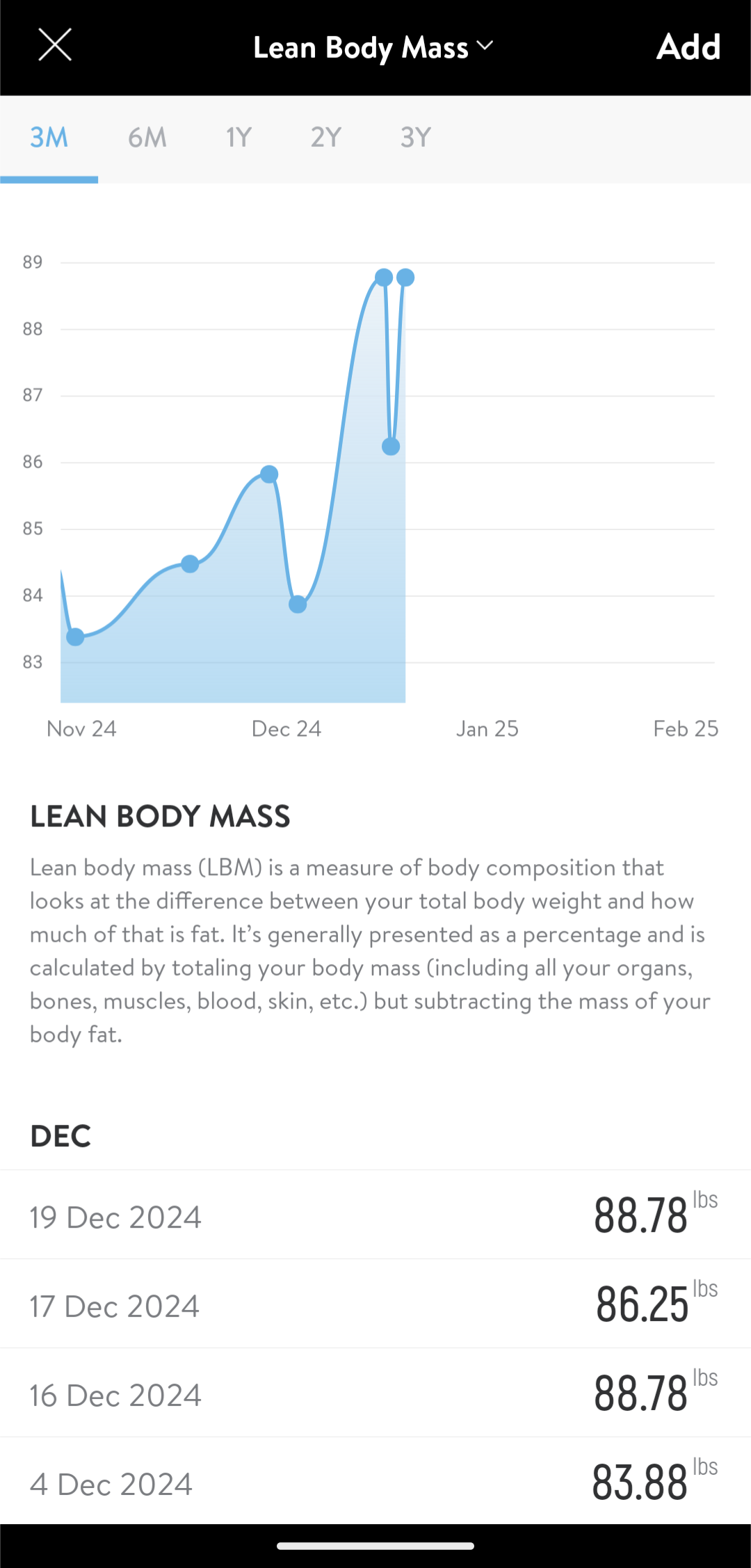
Achieving lasting results for women requires a delicate balance between physical training, nutritional support, stress management, and objective progress tracking. If any of these pillars are neglected, the entire structure falls apart.
At Primedy Health, our local, coach-led programs in Mount Airy, MD, Frederick, and Carroll County, MD are designed to bridge this exact gap. We don’t just hand you a workout plan; we build structured, sustainable programs with objective progress tracking tailored for real, busy lives.
Instead of relying solely on the scale—which can fluctuate wildly due to water retention, muscle gain, and hormonal shifts—we track a comprehensive set of objective metrics:
- Strength Progressions: Tracking weight, reps, and sets over time to ensure progressive overload.
- Bio-Feedback: Monitoring daily energy levels, sleep quality, digestion, and mood.
- Body Composition: Using consistent measurements and photos to track fat loss and muscle gain accurately.
- Daily Habits: Tracking hydration, daily movement (steps), and protein intake.
By taking this objective approach, we remove the guesswork and emotional stress from the fitness journey. To learn more about how we implement this, check out Get a Coach Who Actually Tracks Your Progress and read Everything You Need to Know About In-Person Fitness Coaching.
If you are looking for local training options in Carroll County or Frederick County, our dedicated coaches are ready to help you build a sustainable routine that fits your lifestyle and supports your long-term health goals.
Managing Stress, Cortisol, and Recovery
Chronic stress is one of the greatest silent killers of fat loss and muscle recovery in women. When a woman is constantly stressed, her body produces high levels of cortisol. Chronically elevated cortisol levels signal the body to hold onto visceral fat (particularly around the abdomen) and can lead to muscle breakdown, disrupted sleep, and intense sugar cravings.
As coaches, we must design programs that manage this stress load. This means:
- Programming Deload Weeks: Intentionally reducing training volume and intensity every 4 to 6 weeks to allow the nervous system to recover.
- Incorporating Active Recovery: Swapping high-intensity workouts for mobility sessions, yoga, or outdoor walking when a client’s life stress is exceptionally high.
- Prioritizing Sleep Hygiene: Coaching clients on establishing consistent wind-down routines to improve deep, restorative sleep.
Nutrition Coaching for Hormonal Health and Energy
For decades, the mainstream fitness industry has told women that the secret to fat loss is simple: eat less and exercise more. This advice has led millions of women down a destructive path of extreme calorie restriction, metabolic adaptation, and the frustrating “yo-yo” dieting cycle.
When a woman severely restricts her calories while training intensely, her body enters a state of low energy availability. This can disrupt thyroid function, downregulate metabolism, and lead to hormonal imbalances (such as hypothalamic amenorrhea or estrogen dominance).
Our approach to Health Coaching and Personal Training focuses on fueling the body for performance and health. We emphasize:
- Adequate Protein Intake: Crucial for preserving lean muscle mass, supporting bone density, and promoting satiety.
- Balanced Macronutrients: Ensuring sufficient healthy fats for hormone production and complex carbohydrates to fuel intense workouts.
- A “Crowding Out” Strategy: Focusing on adding nutrient-dense, whole foods to the diet rather than obsessing over restriction.
How Do Career Paths and Certifications Differ for Women’s Fitness Specialists?
For fitness professionals, choosing to specialize in women’s fitness is not just a rewarding career path—it is an incredibly smart business decision. The current demographic landscape of the fitness industry reveals a massive gap between client demand and qualified coaches:
- The Demographic Gap: Women make up approximately 57% of personal training clients in the U.S., yet only 38% of certified personal trainers are female.
- The Preference Factor: Female clients are 2.3 times more likely to prefer working with a female trainer for strength and conditioning programs, often due to comfort, shared lived experiences, and a desire for deep physiological understanding.
- The Athletic Discrepancy: Only 24% of strength and conditioning coaches working with collegiate or professional athletes are women.
- The Business Advantage: Personal trainers with gender-specific training certifications report a 41% higher retention rate among female clients compared to those without.
When you specialize in women’s fitness, you move away from being a generalist in a highly saturated market. You become a specialist who can command higher rates, build a dedicated waitlist, and enjoy significantly higher client retention.
Choosing the Right Specialization and Credentials
If you want to specialize in coaching women, general personal training certifications (like standard NASM, ACE, or ACSM CPTs) are only the starting point. To truly understand female biomechanics, endocrinology, and life-stage transitions, you should pursue advanced credentials:
- NASM Women’s Fitness Specialist (WFS): Covers female-specific nutrition, exercise programming across life stages, and behavioral coaching.
- Girls Gone Strong (GGS) – Certified Women’s Coaching Specialist: Widely regarded as the gold standard for evidence-based coaching on female physiology, psychology, and pre/postnatal training.
- FitForBirth – Pre & Postnatal Coaching Certifications: Focuses deeply on corrective exercise, pelvic floor rehabilitation, and natural labor preparation.
- Active Aging and Menopause Specializations: Crucial for learning how to program safely for postmenopausal women to preserve bone density and cardiovascular health.
Investing in these credentials elevates your professional value, allowing you to provide a level of care that general personal trainers simply cannot match.
Deciding If Specializing in Women’s Coaching Aligns with Your Goals
How do you know if specializing in women’s coaching is the right path for your career? Ask yourself the following questions:
- Do you enjoy deep, empathetic conversations about lifestyle, habits, stress, and hormonal health, or do you prefer focusing strictly on physical movement and athletic performance metrics?
- Are you passionate about helping clients navigate complex, life-altering transitions like pregnancy, postpartum recovery, or menopause?
- Do you want to build a highly loyal, community-driven client base that values long-term health and safety over quick-fix aesthetic transformations?
If you answered yes to these questions, specializing in women’s fitness will likely bring you immense professional fulfillment and long-term business success.
Frequently Asked Questions about Coaching Women
Does strength training make women bulk up?
No. This is one of the most persistent myths in the fitness industry. Women naturally have significantly lower levels of testosterone (the primary hormone responsible for muscle hypertrophy) than men. When women engage in structured, heavy resistance training, they do not “bulk up.” Instead, they build lean, dense muscle tissue that creates a toned, sculpted physique, improves posture, and significantly boosts resting metabolic rate.
What is cycle syncing and does it actually work?
Cycle syncing is the practice of adjusting your exercise intensity, volume, and nutritional intake to align with the hormonal fluctuations of your menstrual cycle. While clinical research is still evolving, anecdotal evidence and coaching data show that many women experience improved energy levels, faster recovery, reduced PMS symptoms, and better overall adherence when they match their training intensity to their hormonal phases (e.g., lifting heavy during the follicular phase and focusing on recovery during the late luteal phase).
Why do female clients prefer specialized coaching over general personal training?
Specialized coaching addresses the unique physiological, anatomical, and psychological needs of women that general training programs often ignore. A specialized coach understands how to program for wider Q-angles, joint laxity, pelvic floor health, pregnancy, postpartum recovery, and menopause. This specialized knowledge creates a training experience that is not only significantly safer but also far more effective and empowering.
Conclusion
Coaching women is not a minor variation of general personal training—it is an entirely distinct discipline that requires a deep understanding of female physiology, endocrinology, biomechanics, and psychology.
While general personal training focuses heavily on the mechanics of the workout itself, truly effective coaching for women takes a holistic, 360-degree approach. It respects hormonal fluctuations, adapts to major life transitions like pregnancy and menopause, prioritizes joint stability and safety, and addresses the critical lifestyle factors—like stress, sleep, and nutrition—that dictate long-term success.
At Primedy Health, we are dedicated to providing this exact level of specialized, supportive, and objective coaching. Whether you are looking for in-person training in Mount Airy, MD, or comprehensive online coaching that fits seamlessly into your busy life, we are here to help you stop the yo-yo dieting cycle and start building a strong, resilient body.
Ready to take the next step in your fitness journey? Explore our specialized Health Coaching and strength programs today, and let’s build a sustainable plan that works for your real life.